
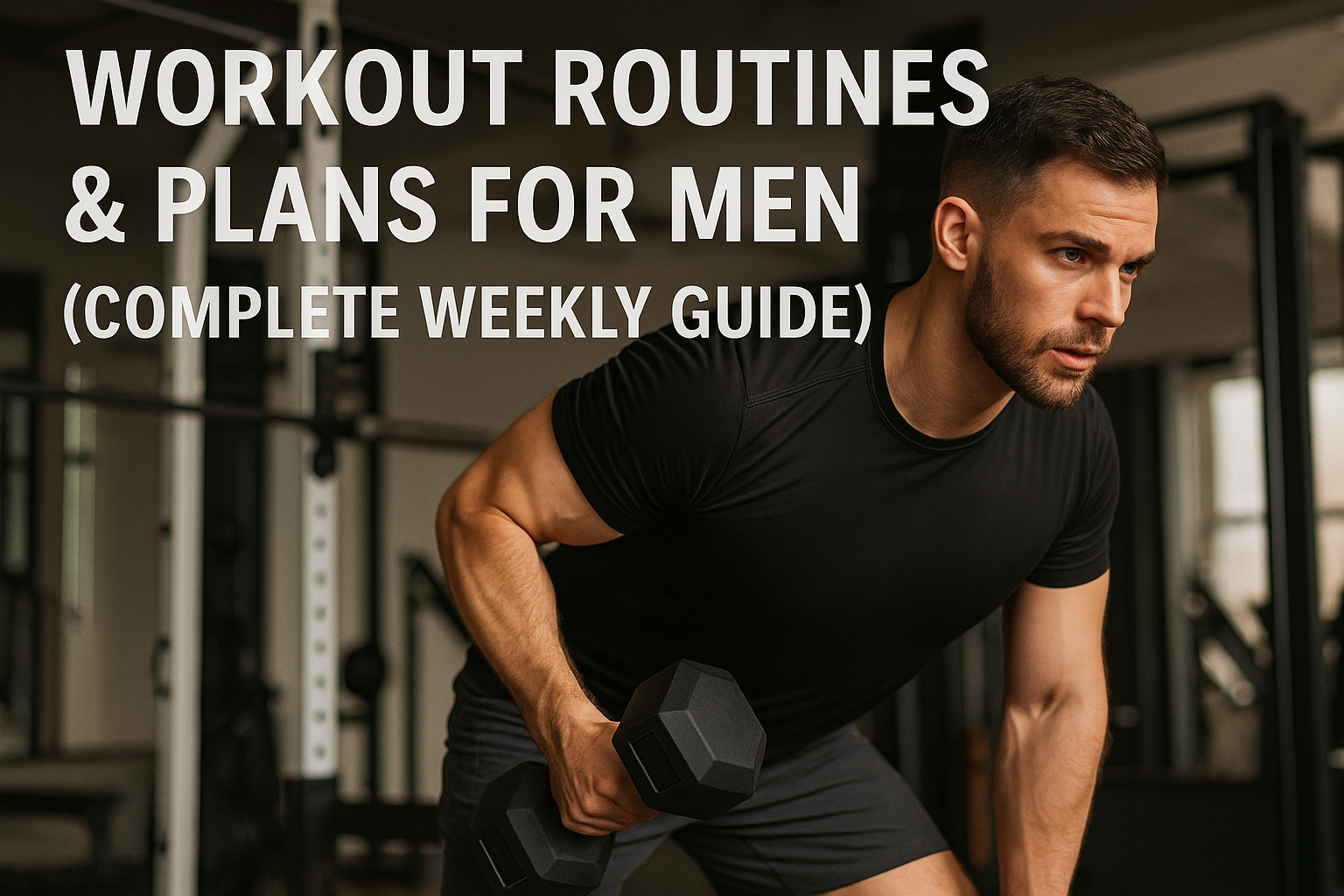
When it comes to fitness, one question never fades: What’s the best way for men to work out? The truth is, there isn’t just one formula. Your age, goals, and lifestyle all shape the perfect workout routines for men. But one thing is universal—structure. A well-planned routine maximizes results, prevents burnout, and keeps you motivated.
This complete weekly guide breaks down effective training styles, exercise science, and actionable workout plans for men that fit real-life schedules.
Why Men Need Structured Workout Routines
Men often jump into the gym with enthusiasm—lifting heavy or copying random exercises. While that effort counts, lack of structure often leads to:
-
Plateaued results
-
Risk of injury
-
Poor recovery
-
Unbalanced muscle growth
A weekly workout guide ensures that:
-
All muscle groups get trained.
-
Workouts are progressive, not repetitive.
-
Recovery and nutrition align with your fitness goals.
The Core Principles of Men’s Fitness Plans
Before we dive into specific fitness plan for men, let’s cover the fundamentals:
-
Progressive Overload: Gradually increase weight, reps, or intensity.
-
Compound Movements: Focus on big lifts (bench press, squats, deadlifts, pull-ups).
-
Rest & Recovery: Muscles grow during rest, not while training.
-
Nutrition Support: High-protein diets fuel recovery and strength.
Types of Workouts for Men
Different goals demand different training methods. Here are the types of workouts most men benefit from:
1. Strength Training
Heavy weights, low reps. Builds raw strength and power.
2. Hypertrophy (Muscle Growth)
Moderate weights, higher reps (8–12). Perfect for muscle size.
3. Cardio & Conditioning
Running, cycling, HIIT. Supports endurance and fat loss.
4. Functional Training
Movements mimicking real-life activities—great for athletes.
5. Calisthenics
Bodyweight-focused: push-ups, pull-ups, dips. Strong emphasis on control.
(Related question many men ask: gym vs calisthenics. The answer? Both work. Gym excels at isolated progressive overload, while calisthenics builds control and core strength. The best plan can combine both.)
Complete Weekly Workout Routine for Men
Here’s a sample 6-day structure for building muscle and strength:
Day 1 – Chest & Triceps
-
Bench Press – 4×8
-
Incline Dumbbell Press – 4×10 (optimal incline bench angle: 30–45°)
-
Chest Fly – 3×12
-
Tricep Dips – 3×12
-
Overhead Tricep Extension – 3×15
Day 2 – Back & Biceps
-
Pull-Ups or Lat Pulldown – 4×8
-
Barbell Row – 4×10
-
Deadlifts – 3×6
-
Bicep Curls – 3×12
-
Hammer Curls – 3×12
Day 3 – Shoulders
-
Overhead Press – 4×8
-
Lateral Raises – 3×12
-
Shrugs Exercise – 4×15 (shoulder shrugs target trapezius; shrugs muscles worked include traps, levator scapulae, and upper back stabilizers)
-
Face Pulls – 3×12
Day 4 – Legs
-
Squats – 4×8
-
Romanian Deadlifts – 3×10
-
Lunges – 3×12 each leg
-
Leg Press – 4×12
-
Calf Raises – 4×15
Day 5 – Core & Conditioning
-
Planks – 3×1 min
-
Hanging Leg Raises – 3×12
-
Russian Twists – 3×20
-
HIIT Sprinting – 20 minutes
Day 6 – Full Body & Accessory Work
-
Incline Bench Press – 3×10 (best angle for incline bench: 30–45° for upper chest)
-
Pull-Ups – 3×8
-
Dumbbell Shoulder Press – 3×12
-
Shrugs – 3×15
-
Bicep & Tricep Superset – 3×12 each
Day 7 – Rest & Recovery
Gym Essentials Every Man Should Know
-
Spotter in Gym: Always use a spotter during heavy bench presses or squats to prevent injury.
-
Warm-up & Cool-down: At least 10 minutes of stretching/mobility to protect joints.
-
Tracking Progress: Keep a logbook or use apps to monitor lifts and reps.
Alternative Training Approaches
Home Workouts
Not everyone has access to gyms. Men can still achieve results with:
-
Push-ups, squats, lunges, planks (home workouts with no equipment).
-
Dumbbell-only routines (home workout with dumbbells).
-
Hybrid methods combining calisthenics and cardio.
Lifestyle-Focused Training
For men with limited time, full body workout at home 3x per week can be just as effective when paired with proper nutrition.
Shrugs, Pull-Ups & Bench Angles: Specific Exercise Insights
Shoulder Shrugs & Traps
-
Shrugs muscles worked: Primarily trapezius, but also neck stabilizers.
-
Tips: Keep movements controlled; avoid jerking heavy weights.
Pull-Ups vs Lat Pulldown
-
Pull-Ups: Best for building functional strength.
-
Lat Pulldown: Great for beginners or progressive overload.
-
Pro Tip: Mix both in your plan.
Incline Bench Press Angle
-
Incline bench angle: 30–45° engages the upper chest without overloading shoulders.
-
Incline dumbbell press angle: Same range, offering more motion.
-
Best angle for incline bench: 30° for emphasis on upper pecs.
Sample Fitness Plan for Men: Weekly Schedule (Balanced Approach)
Monday: Chest & Back
Tuesday: Legs
Wednesday: Rest
Thursday: Arms & Shoulders
Friday: Core & Conditioning
Saturday: Full Body
Sunday: Rest
This plan works well for beginners who need balanced recovery.
Avoid These Common Workout Mistakes
-
Overtraining the same muscle daily.
-
Neglecting legs (yes, leg day matters).
-
Ego lifting without form.
-
Forgetting progressive overload.
-
Poor sleep and nutrition undermining workouts.
Nutrition for Men’s Workouts
-
Protein: 1.6–2.2g per kg body weight.
-
Carbs: Fuel for workouts; don’t skip them.
-
Fats: Support testosterone and hormone balance.
-
Hydration: At least 3–4 liters water daily.
Supplements like whey protein, creatine, and omega-3s can complement diets, but real food should form the base.
FAQs
1. What’s the best workout routine for men to build muscle?
A combination of compound lifts (bench press, squats, pull-ups) with isolation exercises works best. Follow a structured 5–6 day split for balanced growth.
2. Should men do cardio if their goal is muscle growth?
Yes, moderate cardio improves cardiovascular health and endurance. Just keep sessions short (20–30 minutes) so they don’t interfere with recovery.
3. Pull-ups or lat pulldown: which is better?
Both are effective. Pull-ups build functional strength, while lat pulldowns are scalable for beginners or heavier resistance.
4. What muscles do shrugs work?
Shrugs target the trapezius muscles in your upper back and shoulders, improving posture and neck stability.
5. What’s the best incline bench press angle?
The best angle for incline bench is between 30–45 degrees, with 30° giving maximum upper chest engagement.
6. Can I build muscle with home workouts only?
Absolutely. With consistency, home workouts with no equipment or dumbbells can still deliver results when combined with progressive overload and proper nutrition.
Conclusion
The right workout routines for men aren’t about spending endless hours in the gym—they’re about smart structure, progressive overload, and recovery. Whether you prefer heavy lifting, calisthenics, or workout plans for men at home, consistency is the secret weapon.
Remember: a well-balanced weekly workout guide will keep your training fresh, your muscles growing, and your motivation high. Start small, stay consistent, and adjust as you progress.
If your goal includes Male Weight Loss & Muscle Gain, pairing the right workout plan with structured nutrition will bring sustainable results.