
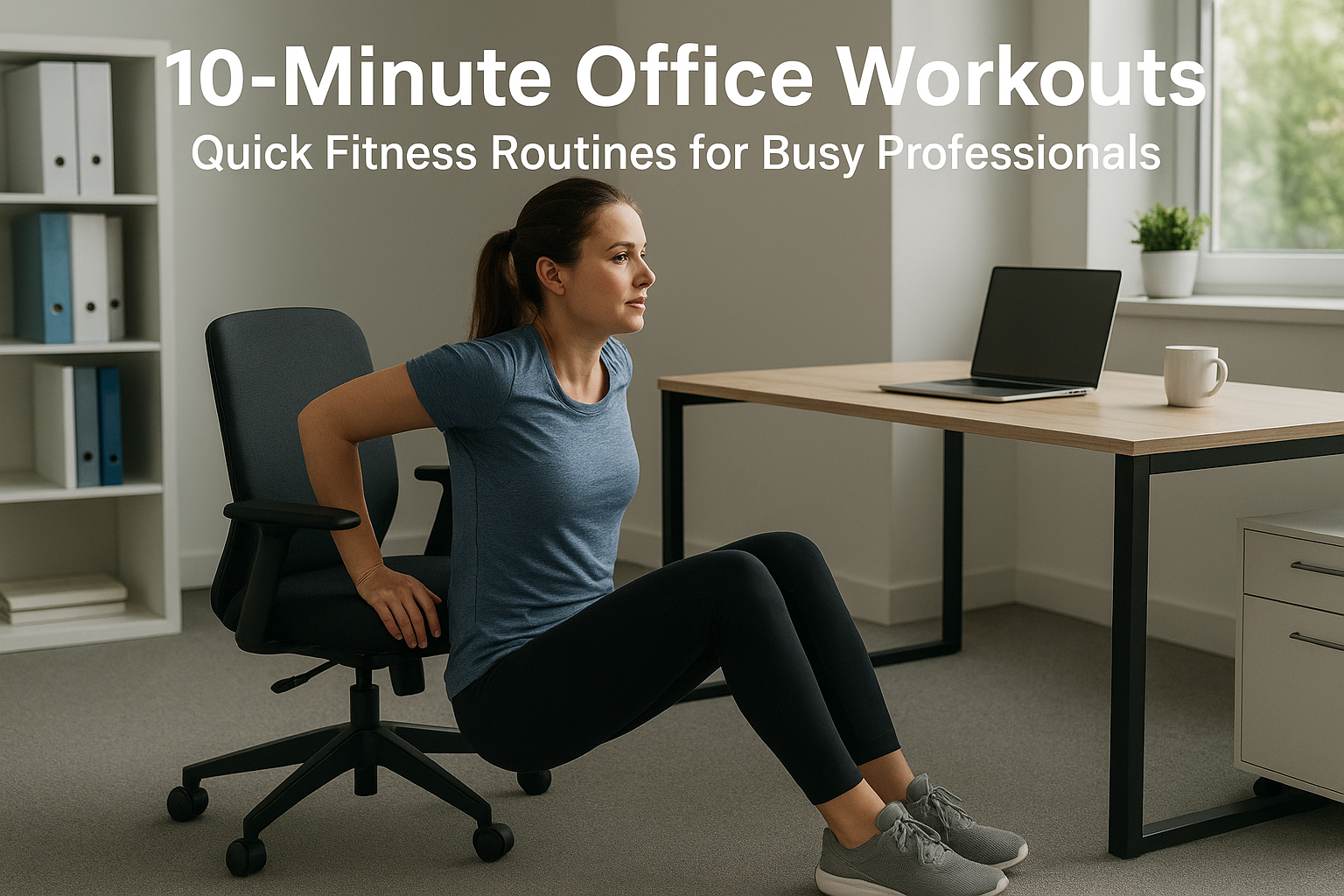
10-Minute Office Workouts sound almost too simple—until you try them the PeakTrain way. Ten focused minutes can lift your posture, spark your energy, and chip away at stress without a change of clothes or a trip anywhere. When your calendar is packed, micro-sessions are not a compromise; they’re a strategy. PeakTrain builds these short sessions to fit your day like a glove, so consistency becomes the default and results stack up quietly in the background.
You don’t need fancy gear or a dedicated studio. You need a plan that respects meetings, deadlines, travel, and real life. That’s what this guide gives you: a complete playbook to weave movement into your workday—safely, efficiently, and with purpose.
Why quick office sessions work
Ten minutes triggers more change than most people expect because the body cares about frequency and intent as much as duration.
-
Frequent signal, steady progress: Short bouts teach your body to move well, often.
-
Less friction, more follow-through: No wardrobe change, no commute, fewer excuses.
-
Energy management: Movement moderates stress hormones, clears brain fog, and steadies appetite.
-
Posture rescue: Counteracts hours of sitting with targeted mobility and core work.
-
Consistency beats intensity: Three to five micro-sessions in a day can match or exceed one long workout.
Think of these as strategic “upgrades” you sprinkle into your day. Ten smart minutes now protect the next two hours of focus.
The PeakTrain structure in every 10-minute block
Each micro-session follows a simple framework to deliver a complete dose of training without chaos:
-
Warm In (90–120 seconds): Gentle mobility to wake up joints and increase range.
-
Prime & Strengthen (6–7 minutes): Large, compound moves for strength and posture.
-
Finish & Reset (60–90 seconds): A short cardio or breathing finish to lock in calm energy.
This rhythm reduces joint stress, builds real strength, and sends you back to your desk feeling sharper—not spent.
What you’ll need
-
A stable chair or desk (non-wheeled for pushing/pulling variations)
-
Open wall space or a doorway
-
A water bottle and, if available, a light backpack (for added resistance)
-
Optional: a simple resistance band for pulls or rotations (useful, not required)
Dress code friendly, meeting friendly, and travel friendly—that’s the point.
Why 10-Minute Office Workouts fit busy schedules
When time is scarce, the plan must shrink without losing the essentials. PeakTrain’s micro-sessions pack in:
-
Full-body coverage: Squat/hinge, push/pull, core, and mobility across the workweek
-
Posture-first choices: Scapular control, thoracic rotation, and hip opening
-
Progress you can feel: Stronger top-of-the-hour posture, calmer breathing, steadier energy
Results show up first as fewer aches and a clearer mind, then as firmer muscle tone and better stamina.
Safety cues you’ll see often
-
Neutral spine: long through crown of head, ribs stacked over pelvis
-
Shoulder set: down-and-back, avoid shrugging
-
Knee track: knees over middle toes on squats and steps
-
Breathing: exhale on effort, nasal breathing when possible
-
Range: smooth and pain-free beats deep and shaky—always
If something hurts sharply, stop the move, choose a regression, or swap the exercise. Progression lives on the other side of good form.
10-Minute Routine #1 — Desk Power Circuit (Strength + Posture)
Goal: Strengthen legs, chest, back, and core while undoing desk slouch.
Where: Beside your desk or in a small conference room.
0:00–1:30 – Warm In
-
Neck nods and turns, 4 each
-
Shoulder rolls, 10 backward
-
Hip circles, 5 each way
-
Calf pumps, 10 per side
1:30–8:30 – Strength Block (EMOM style)
Set a steady pace. Move with control; rest the few remaining seconds each minute.
-
Minute 1: Chair Squats × 12–15
-
Hips back, torso tall; tap the chair, stand up strong.
-
-
Minute 2: Desk Incline Push-ups × 8–12
-
Hands on desk edge, body straight; lower smoothly, press away.
-
-
Minute 3: Backpack Rows × 10–12
-
Hold a loaded backpack; hinge slightly; pull elbows toward ribs.
-
-
Minute 4: Split Squats × 8–10/side
-
Back heel high; front knee tracks over mid-foot; control the descent.
-
-
Minute 5: Plank (hands on desk or floor) × 30–40s
-
Ribs tucked, glutes firm; breathe through the nose.
-
-
Minute 6: Repeat Chair Squats × 12–15 (or add a pause at the bottom)
-
Minute 7: Repeat Desk Incline Push-ups × 8–12 (or slower 3–1–1 tempo)
8:30–10:00 – Finish & Reset
-
Tall March in Place × 60s (knee up, arms swing)
-
Box Breathing × 30s (inhale 4, hold 4, exhale 4, hold 4)
Progressions: Hold the backpack during squats; elevate feet for harder push-ups.
Regressions: Reduce reps; shorten plank; widen stance for balance.
10-Minute Routine #2 — Mobility Reset (Hips, Spine, Shoulders)
Goal: Loosen sticky areas from sitting and screens; return to work taller.
Where: Against a wall or open floor space.
0:00–1:30 – Warm In
-
Cat–Camel (standing, hands on thighs) × 6 slow
-
Ankle rocks against wall × 6/side
1:30–8:30 – Mobility Flow
-
Thoracic Wall Slides × 8
-
Back against wall, elbows and wrists sliding up while ribs stay down.
-
-
Hip Flexor Stretch with Glute Squeeze × 30s/side
-
Front knee over ankle; tuck tailbone; feel stretch in front of hip.
-
-
Seated Figure-Four × 30s/side (chair)
-
Keep spine tall, hinge slightly.
-
-
Standing Hamstring Hinge × 8/side
-
Long spine, hinge at hips, slight knee bend.
-
-
Shoulder CARs × 4/side (slow shoulder circles with control)
-
Thread-the-Needle (desk-supported) × 6/side
-
Hand slides under; rotate gently; breathe out at end range.
-
Loop these moves for the 7 minutes as a calm flow.
8:30–10:00 – Finish & Reset
-
Diaphragmatic Breathing lying or seated × 60–90s
-
One hand on belly, one on chest; expand low, exhale fully.
-
Progressions: Add gentle holds at end range; slow down each rep.
Regressions: Shorten range; support with the desk or wall.
10-Minute Routine #3 — Cardio Spark + Core
Goal: Quick heart-rate bump, light sweat, solid core engagement without impact.
Where: Open corridor, stairwell, or beside your desk.
0:00–1:00 – Warm In
-
March in Place × 60s, tall posture
1:00–8:30 – Circuit (30s on, 15s switch)
-
Step-Ups (bottom stair or low platform)
-
Standing Cross-Body Knee Drives
-
Desk Mountain Climbers (hands on desk, body straight)
-
Side Steps with Mini Squat
-
Plank Shoulder Taps (desk or floor)
-
Fast March or Low-Impact Jog in Place
Repeat any two you like to fill the block.
8:30–10:00 – Finish & Reset
-
Box Breathing × 60s
-
Gentle neck side bends × 15s/side
Progressions: Increase step height; add a backpack for step-ups; extend working intervals to 40s.
Regressions: Lower step height; reduce plank time; move slower with perfect form.
10-Minute Routine #4 — Posture & Upper-Back Build
Goal: Strengthen the muscles that pull you out of slouch: mid-back, rear shoulder, deep core.
0:00–1:30 – Warm In
-
Chin nods × 5; chin glides (forward/back) × 5
-
Scapular squeezes × 10 (elbows to sides)
1:30–8:30 – Strength Trio (2 rounds)
-
Wall Angels × 8–10
-
Ribs down; forearms slide; keep wrists near wall as possible.
-
-
Desk Reverse Row (if safe) or Band Rows × 8–12
-
Pull shoulder blades down/back first, then elbows.
-
-
Dead Bug (on floor or chair-supported variation) × 6–8/side
-
Low back gently pressed down; exhale as you extend.
-
8:30–10:00 – Finish & Reset
-
Standing pec doorway stretch × 30s/side
-
Long exhale breathing × 30s
Progressions: Slow 3–1–1 tempo; isometric holds at end range.
Regressions: Do seated versions; shorten range.
10-Minute Routine #5 — Lower-Body Strength on a Busy Day
Goal: Strong legs and hips without heavy fatigue.
0:00–1:30 – Warm In
-
Ankle circles × 6/side
-
Hip openers × 5/side
1:30–8:30 – Strength Ladder
-
Sit-to-Stand (chair squats) × 10
-
Reverse Lunges or Static Split Squat × 6/side
-
Hip Hinge (backpack RDL) × 10
-
Calf Raises (pause at top) × 12
-
Side Plank (knees or feet) × 20–30s/side
Run the list twice with minimal rest.
8:30–10:00 – Finish & Reset
-
Slow stair walk × 45–60s
-
Calm breathing × remainder
Progressions: Hold backpack; add 1–2 reps per round.
Regressions: Use support; reduce depth and reps.
How to personalize 10-Minute Office Workouts by goal
You’ll get more from the same 10 minutes when the moves match your primary goal.
Goal: Fat loss with steady energy
-
Favor circuits that keep you moving: step-ups, knee drives, desk climbers, squats.
-
Keep rest short, breathing calm, form tight.
-
Two strength-focused blocks + one cardio spark across the day works well.
Goal: Strength and posture
-
Emphasize squats/hinges, rows, push-ups, and wall angels.
-
Move slower; add isometric holds and controlled eccentrics.
-
Track reps or time-under-tension, not just sweat.
Goal: Mobility and pain relief
-
Spend more minutes on thoracic rotation, hip flexor work, hamstrings, and pec stretches.
-
Breathe slowly; exhale fully at end range to release tension.
-
Sprinkle micro-mobility breaks between calls.
A sample workday using micro-sessions
8:50 AM (before first call): Mobility Reset — spine and hips feel awake.
11:30 AM (calendar gap): Desk Power Circuit — legs and back get a stimulus.
3:45 PM (post-lunch dip): Cardio Spark — energy revives without caffeine.
7:00 PM (shut-down ritual): Posture & Upper-Back Build — finish tall and calm.
That’s four short deposits into your health account, all under 40 minutes total time.
Weekly plan options
Pick a lane that matches your schedule. Each option includes variety for balance.
Option A — The Classic 5×10
-
Mon: Desk Power Circuit
-
Tue: Mobility Reset
-
Wed: Cardio Spark + Core
-
Thu: Posture & Upper-Back Build
-
Fri: Lower-Body Strength
Option B — Double-Stack Days (for fewer free days)
-
Mon: Morning Mobility Reset + Afternoon Desk Power Circuit
-
Wed: Morning Posture Block + Afternoon Cardio Spark
-
Fri: Lower-Body Strength + Short Mobility
Option C — Travel Week
-
Mon: Hotel room Mobility Flow
-
Tue: Stairwell Cardio Spark
-
Wed: Bedside Strength (squats, split squats, push-ups, plank)
-
Thu: Long travel day—two 5-minute blocks spread out
-
Fri: Posture & Upper-Back Build
Consistency across weeks matters more than any single session. If a day explodes, slide a block to tomorrow. You’re always one 10-minute reset away from momentum.
Tracking progress without spreadsheets
You’ll know it’s working when:
-
Posture holds longer before you notice the slump
-
Fewer neck or lower-back complaints by late afternoon
-
Walks feel lighter; stairs feel shorter
-
Reps rise or tempo slows while control stays high
-
Afternoon cravings soften because stress is lower
If you like numbers, track just three things: weekly session count, one strength move (e.g., chair squat reps), and one mobility benchmark (e.g., wall slide range). That’s enough to see an upward trend.
Desk ergonomics, simplified
No need to overhaul the office. Nudge these basics:
-
Screen height: Eye level or slightly below; neck neutral.
-
Chair setup: Hips slightly above knees; feet grounded.
-
Keyboard/mouse: Forearms level; shoulders relaxed.
-
Movement cadence: Stand, stroll, or stretch every 45–60 minutes—even 60 seconds helps.
Good ergonomics reduce friction so your desk exercises work better and last longer.
Common pitfalls (and how we avoid them)
Going too hard, too fast
You should leave micro-sessions feeling more capable, not crushed. We scale volume and tempo to your day.
Skipping warm-ups
Ninety seconds of joint prep prevents most “twinges.” Worth it every time.
Only doing cardio
Strength shapes posture, protects joints, and preserves muscle. Keep it in rotation.
Inconsistent weeks
Plan sessions like meetings. Ten minutes on the calendar tends to happen.
Pain equals progress
It doesn’t. Smooth and controlled is the priority; discomfort should be muscular, not joint or sharp.
How PeakTrain weaves this into real life
The magic isn’t in a single routine; it’s in the system around your week. PeakTrain maps your schedule, builds 10-minute blocks you’ll actually do, and adjusts based on feedback from energy, sleep, stress, and performance. You’ll see simple cues in your check-ins—what to keep, what to swap, and where to nudge intensity—so there’s always clarity.
Curious about the full flow from assessment to coaching rhythm? You can see how PeakTrain works in your onboarding, and you’ll see how micro-sessions fit alongside nutrition and recovery.
Nutrition that supports short sessions
Ten minutes of smart training lands best when your meals cooperate.
-
Protein anchors at each meal steady appetite and protect muscle.
-
Fiber and hydration keep energy smooth and digestion happy.
-
Smart snacks—curd with roasted chana, fruit with nuts, or a quick smoothie—bridge long gaps.
-
Evening balance helps you wake fresher: lighter late-night portions, earlier dinners when possible, and a 10-minute walk after meals.
You don’t need perfection; you need patterns you can repeat on a workday.
Breathing and stress: the hidden performance edge
Tension steals range of motion and drains focus. Use breath to reclaim both:
-
Box breathing (4–4–4–4) signals calm to your nervous system.
-
Long exhale breathing (inhale 4, exhale 6–8) drops heart rate faster post-set.
-
Nasal breathing during easier moves builds CO₂ tolerance and control.
Three slow breaths before a tough set can improve form more than most cues.
Frequently asked questions
Do I need a gym outfit?
No. These sessions are designed to be done in work clothes with smart move choices and tempos.
How many micro-sessions per day are ideal?
One to three. Even a single 10-minute block daily compounds quickly. Spread them to protect energy dips.
What if I sit for long stretches?
Pair every long sitting block with one mobility or posture mini-session. Your spine and hips will thank you.
Can beginners do this?
Absolutely. Start with the Mobility Reset and Lower-Body Strength routines, keep ranges comfortable, and build up gradually.
Will this help with weight loss?
Yes—especially when paired with supportive meals. Micro-sessions regulate appetite and improve daily burn while you build habits you can keep.
When to progress (and how)
Once sessions feel smooth and you recover well:
-
Add a backpack or water bottle for resistance
-
Slow the lowering phase to 3–4 seconds
-
Extend working intervals from 30s to 40–45s
-
Stack two micro-sessions with a few hours between them
-
Introduce single-leg variations and deeper ranges
Progress is a dial, not a switch. Turn it gradually; let your form lead.
Troubleshooting common issues
Knees feel cranky on squats or lunges
Shorten range; hold onto a desk for balance; try more hip hinge patterns for a week and return to squats later.
Wrists complain during push-ups or planks
Use fists or forearms; elevate hands higher; spread fingers and grip gently to load evenly.
Lower back tightness after sitting
Begin with hip flexor openers and hamstring hinges; save heavy core work for later in the day.
Can’t catch breath on cardio spark
Shorten work intervals; keep nasal breathing; add a minute of slow marching after.
Building the habit (so it sticks)
-
Calendar it: Protect two mini-slots like you would meetings.
-
Pair it: Anchor a session to something you already do—first coffee, post-lunch, pre-shut-down.
-
Track one thing: Session streak or squat reps; keep it simple.
-
Celebrate small: A check mark, a brief walk outside, a glass of water—positive feedback loops matter.
-
Reset fast: Missed a session? The next one starts now. No apologies needed.
The goal is to make movement automatic. Ten minutes is short enough to happen and long enough to help.
Bringing it all together
Across a week, these short routines cover strength, mobility, posture, and cardio without derailing your schedule. They’re discreet, effective, and repeatable. You’ll notice fewer afternoon slumps, less stiffness, and more confidence in your body’s ability to handle long days. That’s what we want for busy professionals: a body that supports your ambition instead of getting in its way.
Start today with PeakTrain
Ready to turn your workday into a quiet engine of progress? PeakTrain will build 10-Minute Office Workouts that match your schedule, your space, and your goals—then guide you with crisp weekly adjustments so the habit sticks. If you’re keen to get moving without guesswork, book free consultation and receive your first customized 10-minute blocks, nutrition anchors, and a simple tracking plan within your onboarding.
You’ve got the plan. PeakTrain will help you work it—one focused micro-session at a time. That’s the power of 10-Minute Office Workouts when they’re built for real life.